1. Define Clear Objectives Before launching a 360 leadership assessment, articulate its main purpose. Whether your goal is to identify development needs, enhance team dynamics, or inform succession planning, having clear objectives ensures the process aligns with organizational strategy and delivers meaningful insights.
2. Secure Leadership Buy-In Leadership support is crucial for successful implementation. Communicate the value of 360 assessments to senior leaders and managers, addressing concerns around confidentiality, data use, and the developmental purpose of the feedback process.
3. Select the Right Assessment Tool Choose an assessment tool that is credible, validated, and customizable to your organization's needs. Consider factors like ease of use, report clarity, and the ability to tailor questions to align with company values and leadership competencies.
4. Communicate Transparently with Participants Provide clear, consistent communication to all participants about what to expect, how feedback is collected, and how it will be used. Transparency builds trust and encourages honest, constructive feedback.
5. Ensure Confidentiality and Anonymity Protect respondents’ identities to promote candid input. Make it clear how data will be reported and ensure that individual responses remain anonymous, especially for direct reports and peers.
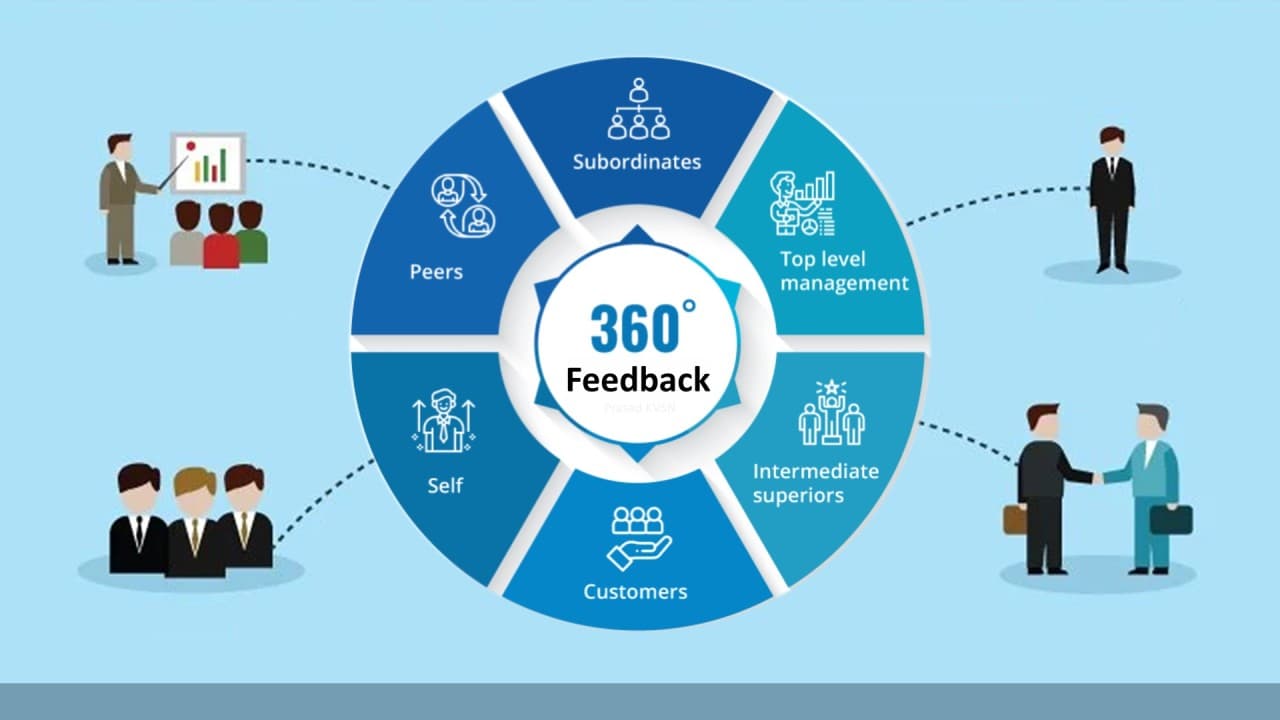
6. Choose the Right Raters Select raters thoughtfully to include a diverse range of perspectives. Including direct reports, peers, supervisors, and (when applicable) customers or partners yields a complete view of a leader’s impact.
7. Offer Training and Support Provide training for participants on how to give and receive feedback constructively. Equip leaders with tools and resources to interpret their results and guide developmental conversations.
8. Deliver Action-Oriented Reports Assessment reports should be clear, concise, and actionable. Highlight strengths and specific areas for improvement, and include personalized recommendations or development activities.
9. Facilitate Follow-Up and Development Planning Feedback alone does not drive change—support leaders in creating individualized development plans and offer coaching or mentoring to bridge performance gaps. Follow up to track progress and reinforce accountability.
10. Evaluate and Evolve the Process Continuously monitor the effectiveness of your 360 assessment program. Gather feedback from participants, track outcomes, and update tools or processes as needed to ensure the assessment remains relevant and impactful.
Why 360 Leadership Assessments Matter 360 assessments foster self-awareness, drive meaningful development conversations, and build a culture of feedback. By following these best practices, organizations can maximize the value of their leadership assessments and cultivate stronger, more adaptable leaders.